

THE 9th ME OF THE BALKAN UNIVERSITIES ASSOCIATION (BUA)
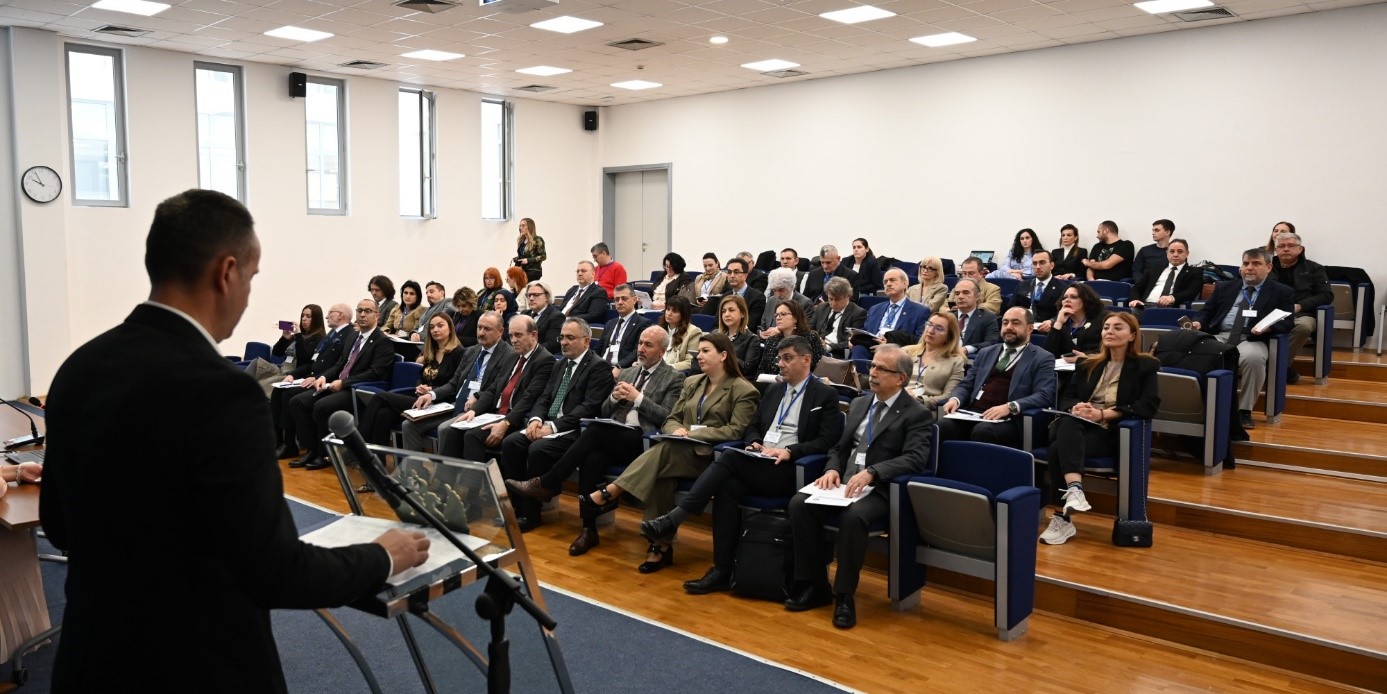
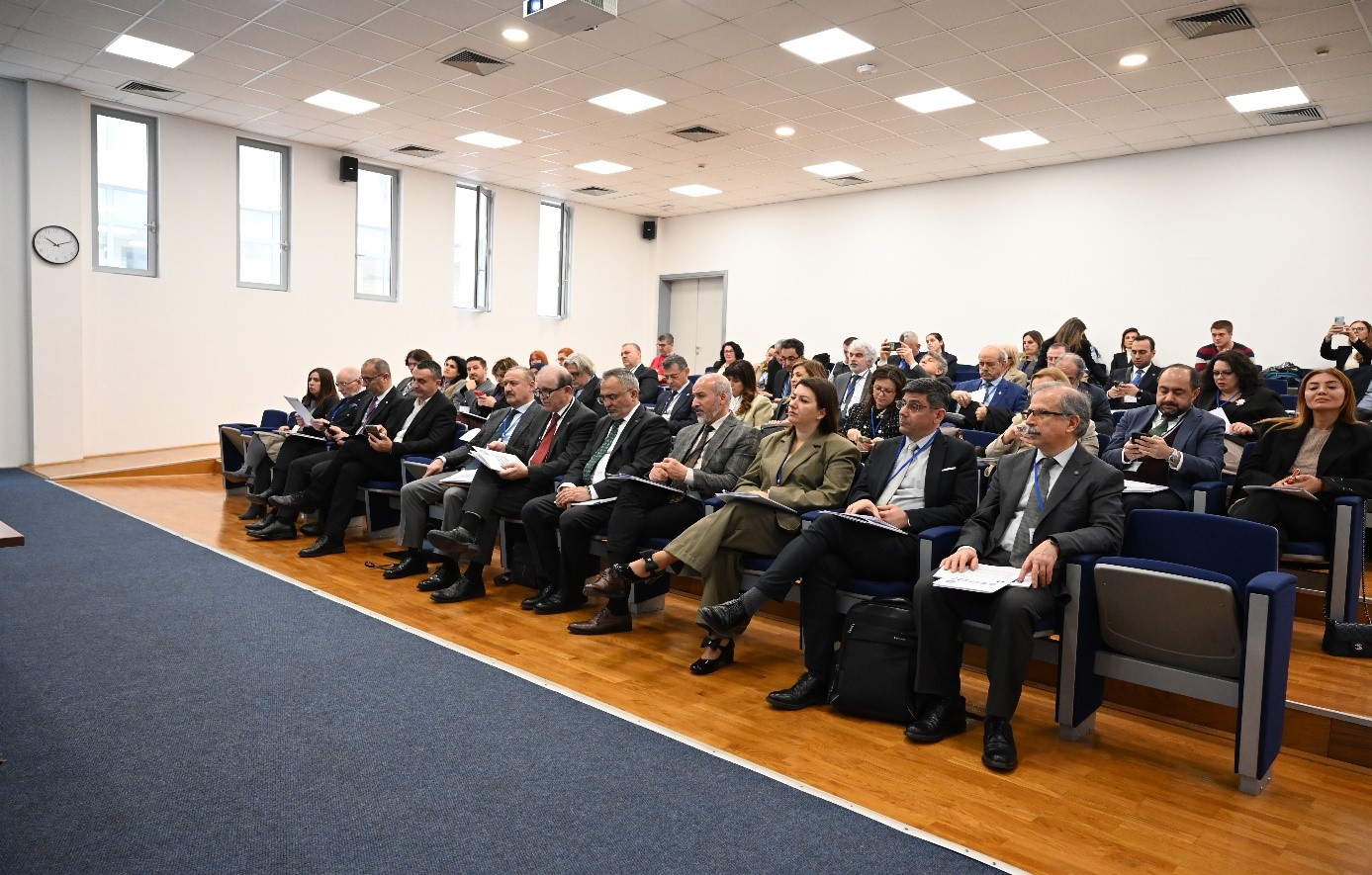
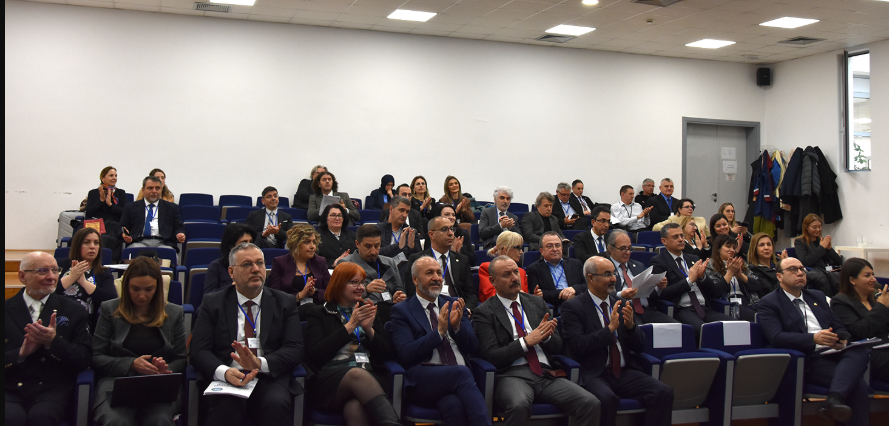
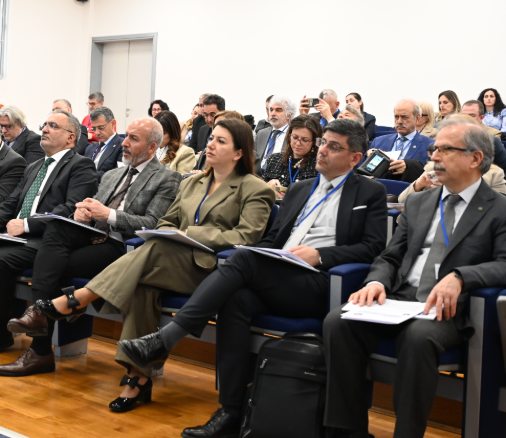
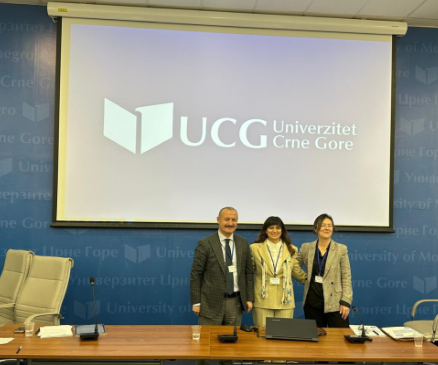
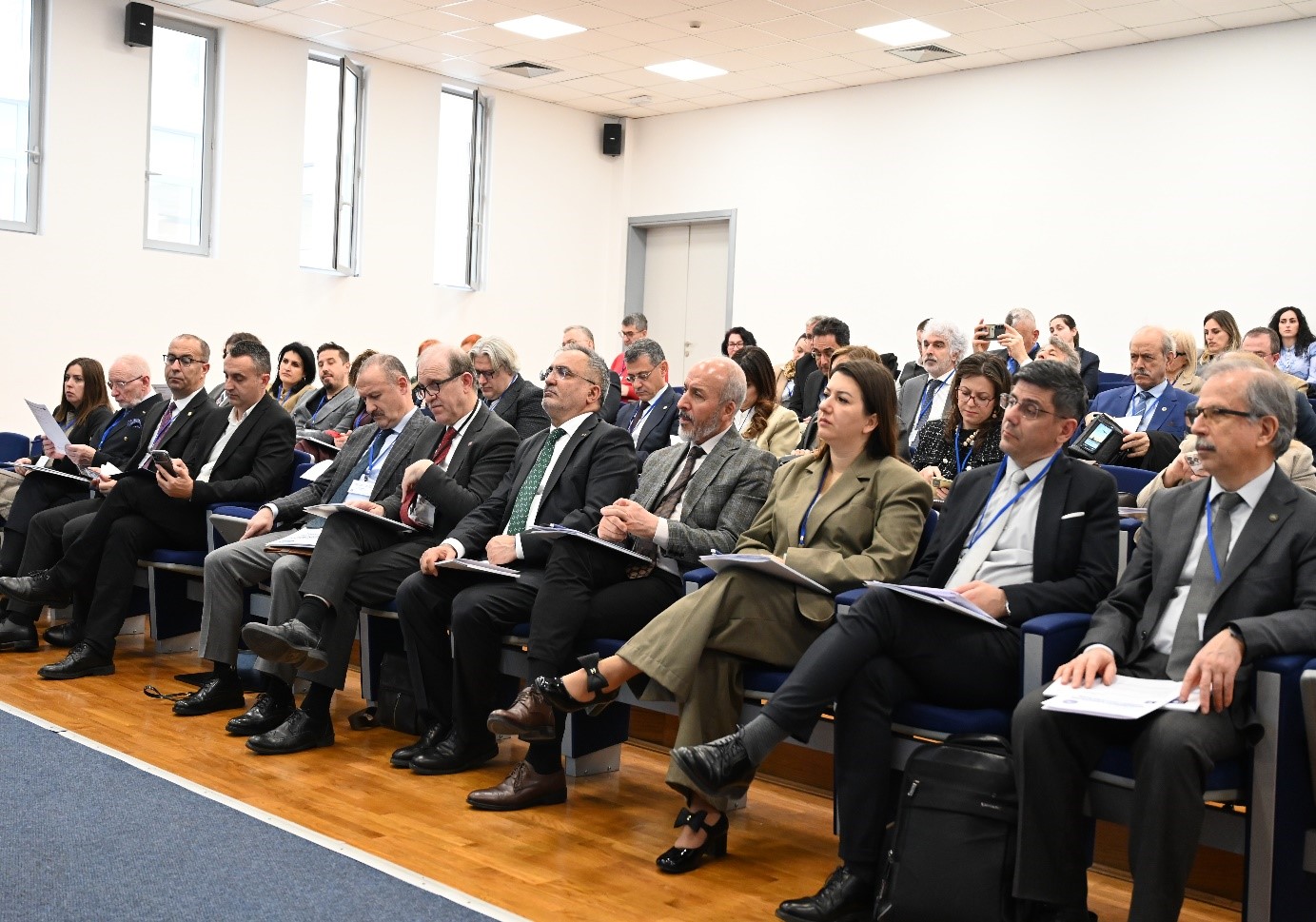
The 9th Meeting of the Balkan Universities Association (BUA) took place on April 1–2, 2026, in Podgorica, hosted by the University of Montenegro. The event brought together a distinguished assembly of rectors, vice-rectors, academics, and institutional representatives from across the Balkan region and beyond. Serving as a key platform for dialogue in higher education, the meeting focused on strengthening academic collaboration, fostering regional integration, and addressing shared challenges facing universities in a rapidly evolving global context.
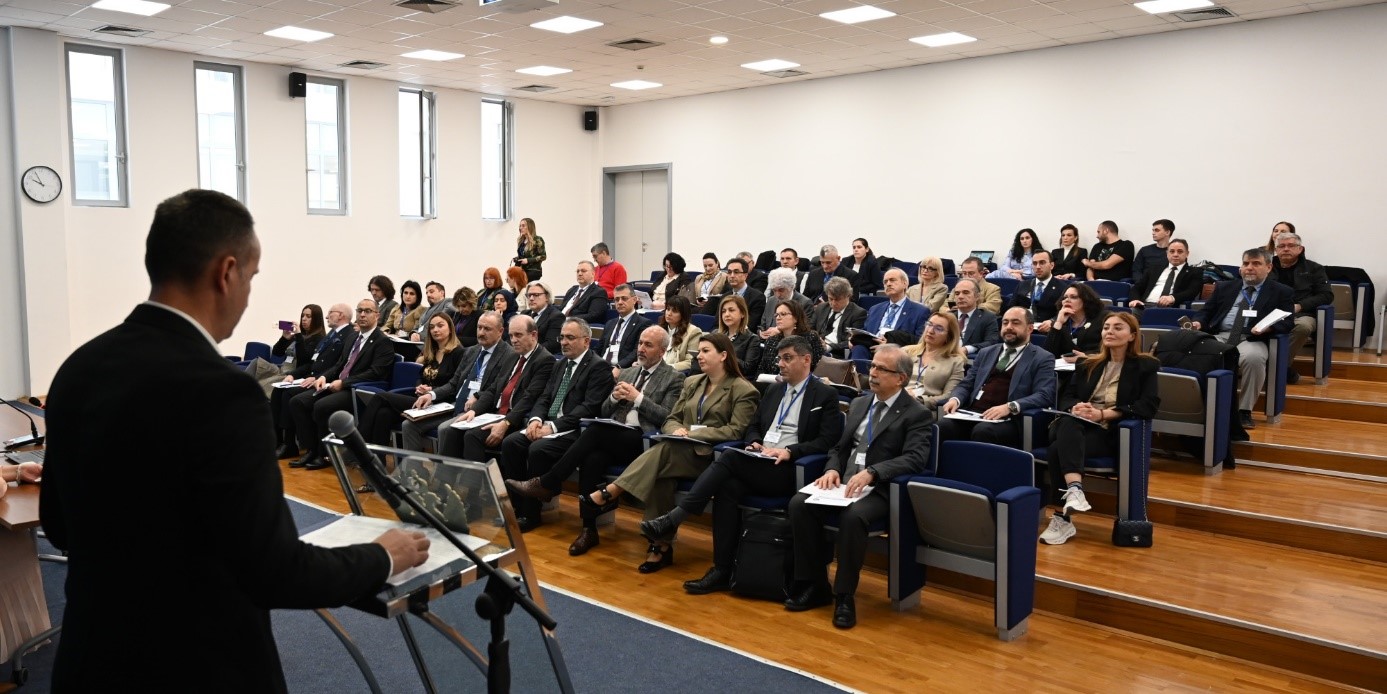
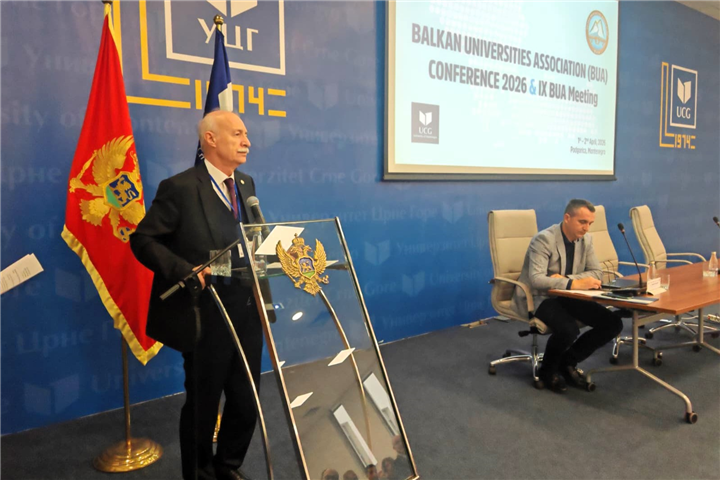
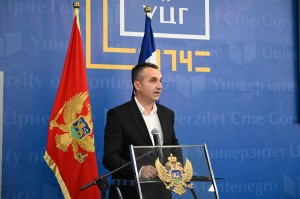
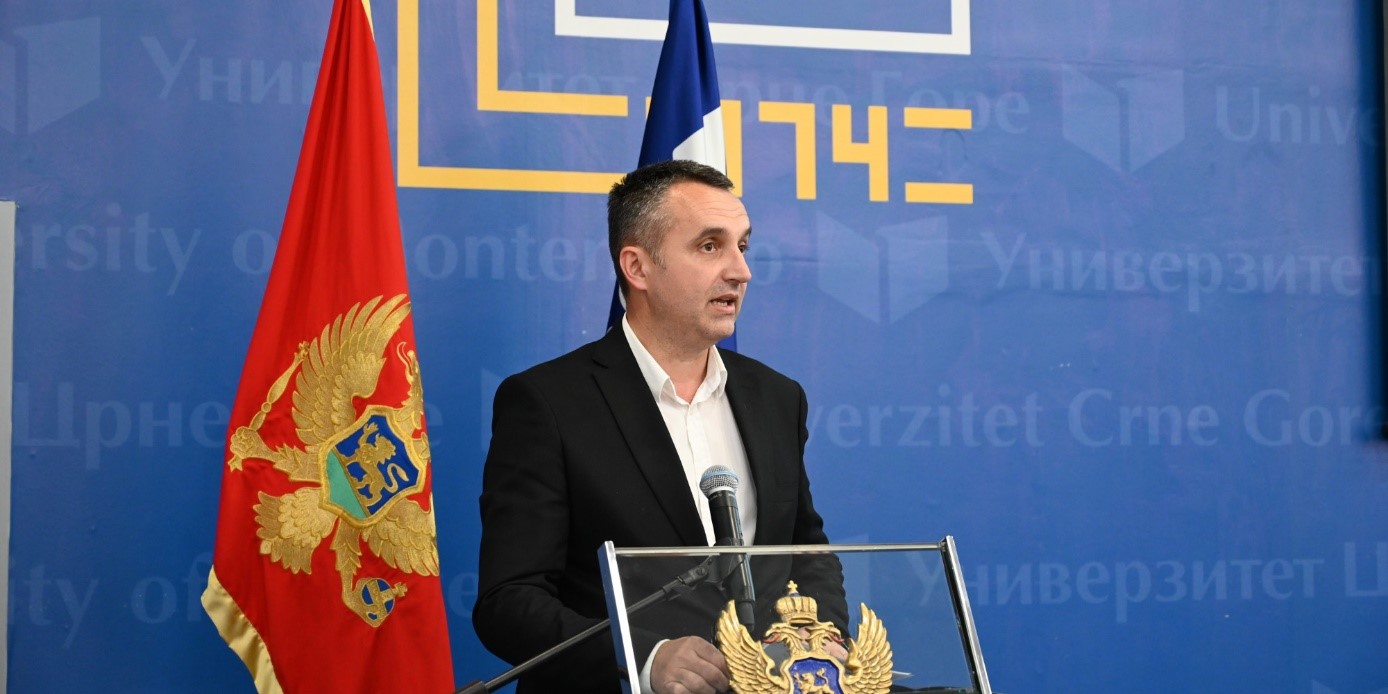
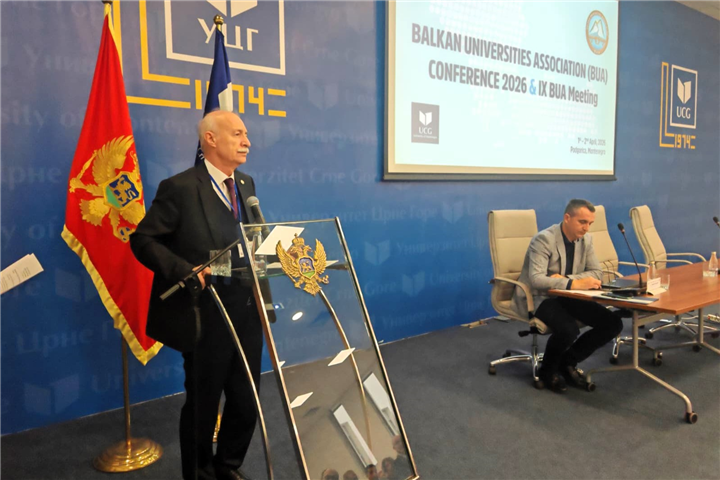
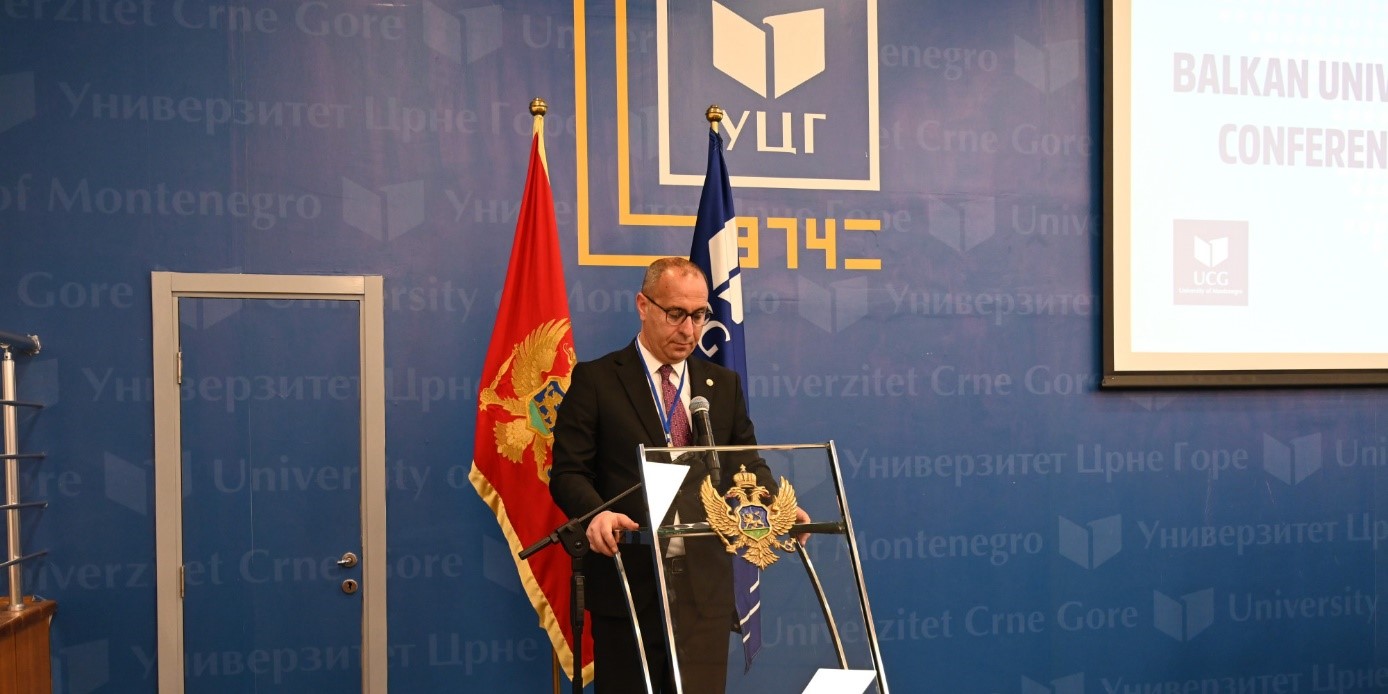
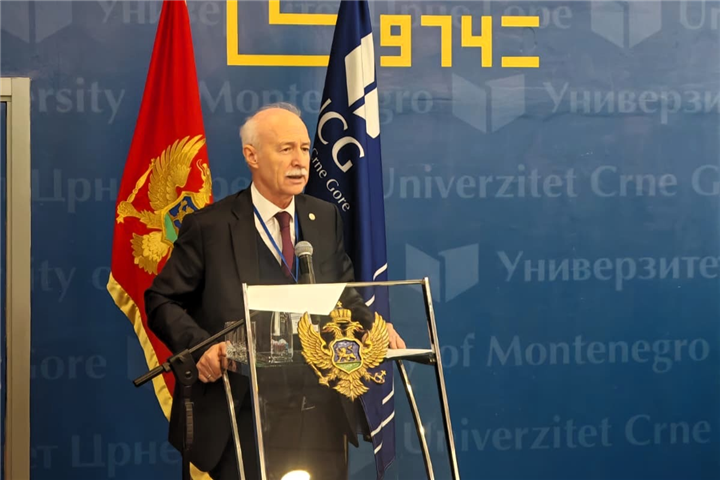
The conference was opened by Prof. Dr. Veselin Mićanović, Vice-Rector for Education at the University of Montenegro and President of BUA 2025, who emphasized that the host institution not only provides organizational support but also actively contributes to strengthening academic connectivity in the Balkans by promoting the values of knowledge, openness, and collaboration. He underlined that the Balkan Universities Association, established in 2014, has evolved into a significant platform for fostering inter-university cooperation, academic mobility, and joint research initiatives in the region. He further noted that universities in the Balkans face common challenges, including the modernization of teaching processes, digital transformation, and the need to strengthen links between academia and the labor market. However, he emphasized that such challenges can be transformed into opportunities through cooperation within the BUA network.
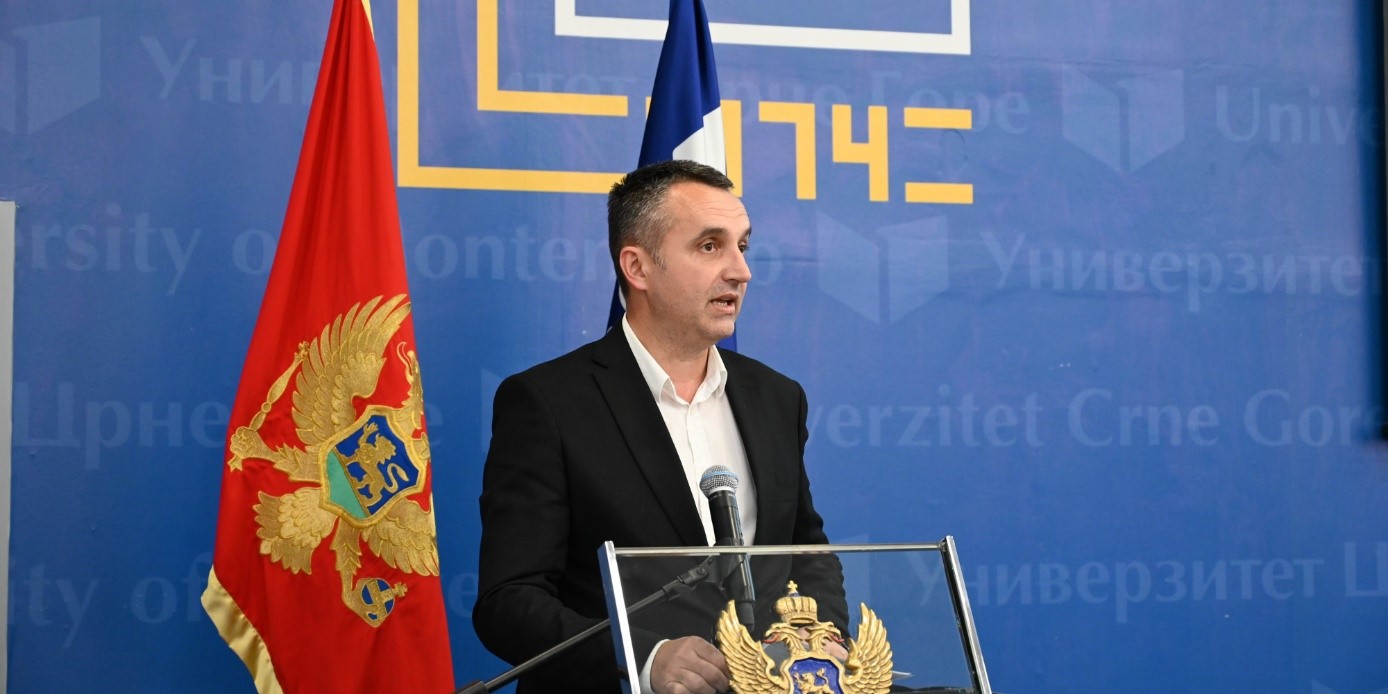
During the opening session, Assoc. Prof. Dr. Ali İhsan Meşe, BUA Coordinator and Advisor to the Rector of Trakya University, emphasized the evolving role of the Balkan Universities Association, noting that it has become a platform that not only brings universities together but also strengthens academic cooperation, cultural interaction, and a shared regional vision. He highlighted that, shaped by a common history and similar challenges, this collaboration enables institutions to develop joint solutions and foster sustainable academic partnerships. Referring to current trends in higher education, he underlined the growing importance of internationalization, joint degree programs, micro-credentials, and digital learning models, stressing that universities must enhance cooperation to effectively respond to these developments. He also pointed out that universities play a broader role as bridges between societies, contributing to dialogue, cooperation, and the construction of a shared future for younger generations.
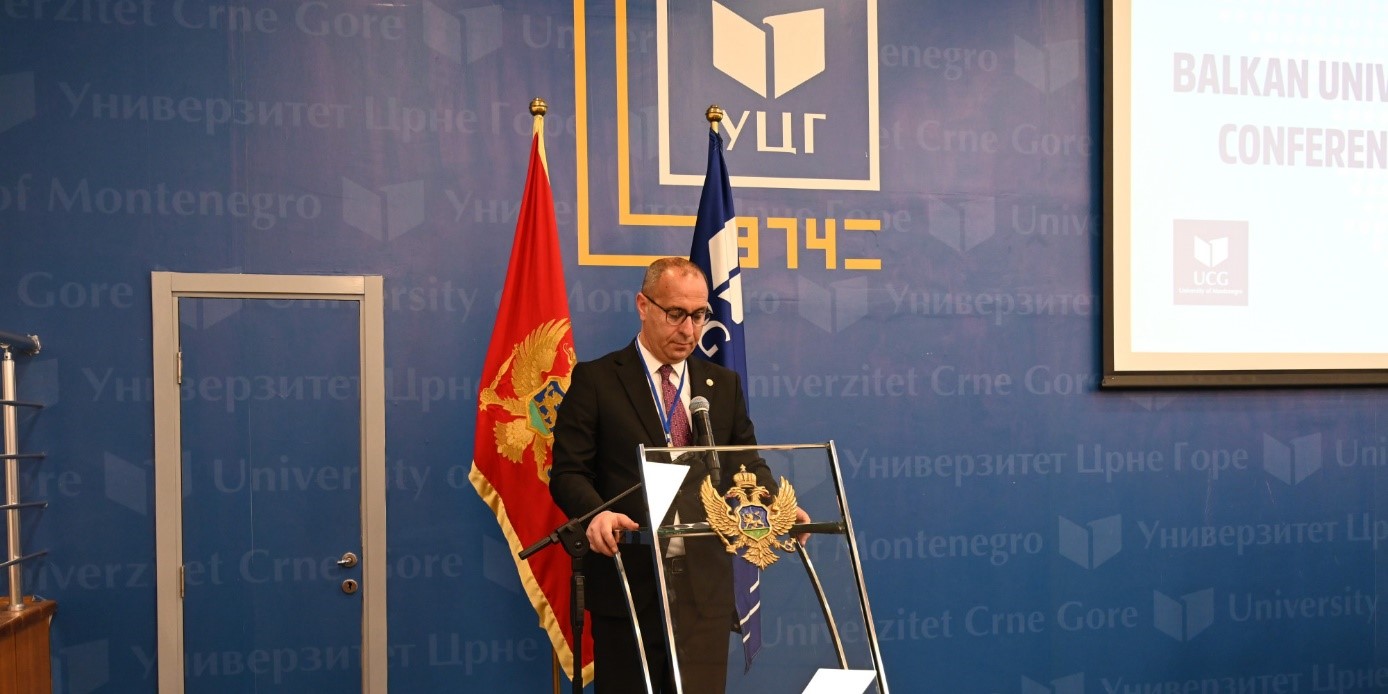
Following the opening remarks, Prof. Dr. Sanja Peković, Vice-Rector for Internationalization at the University of Montenegro, delivered a presentation focusing on the role of European university alliances in enhancing governance structures and fostering stronger academic cooperation across the region. She highlighted the importance of collaborative frameworks in improving institutional capacity, promoting internationalization, and aligning Balkan universities more closely with broader European higher education initiatives.
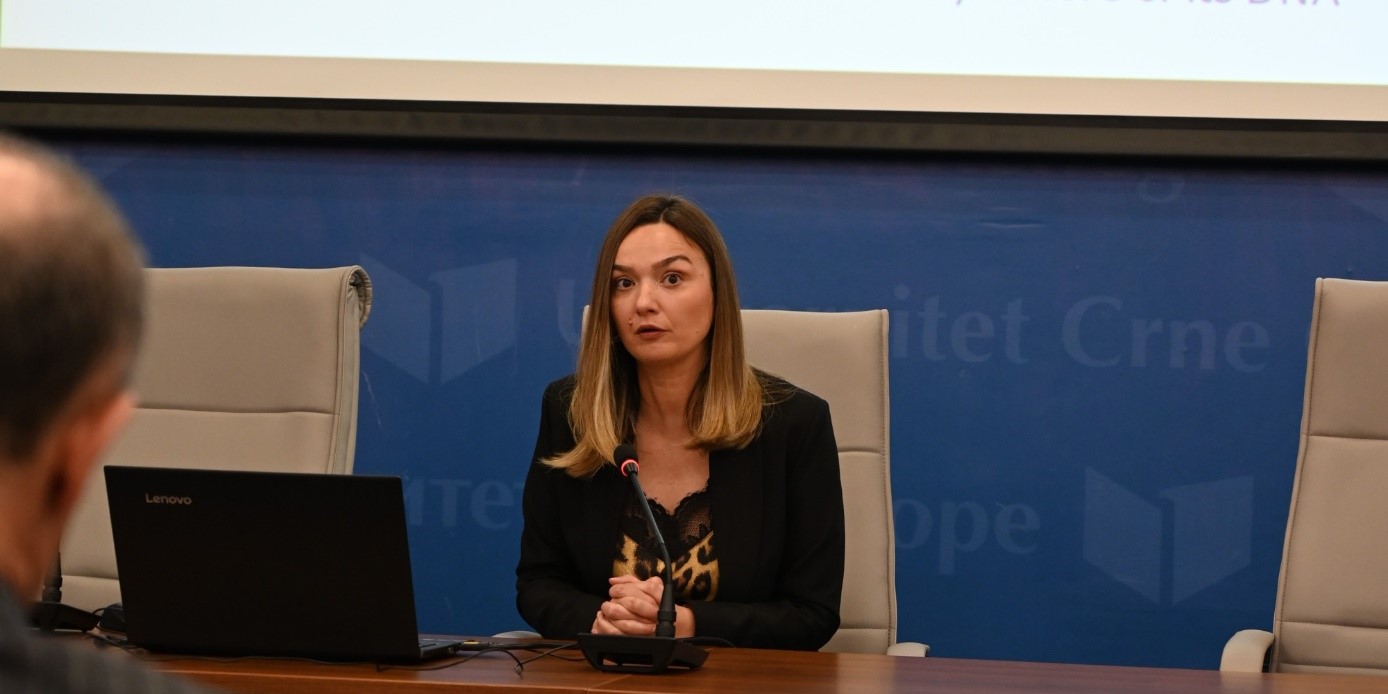
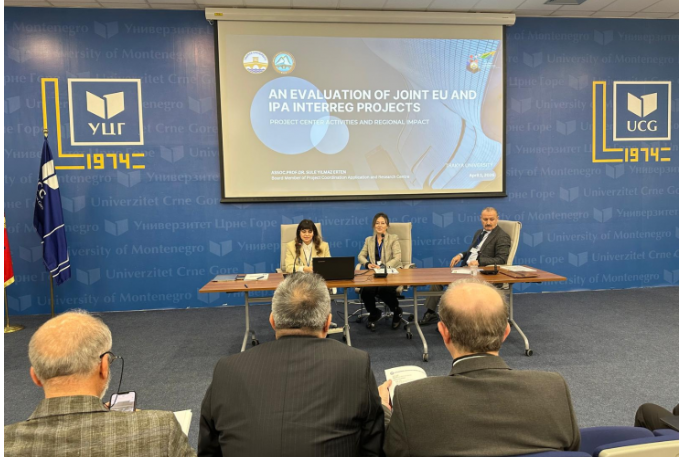
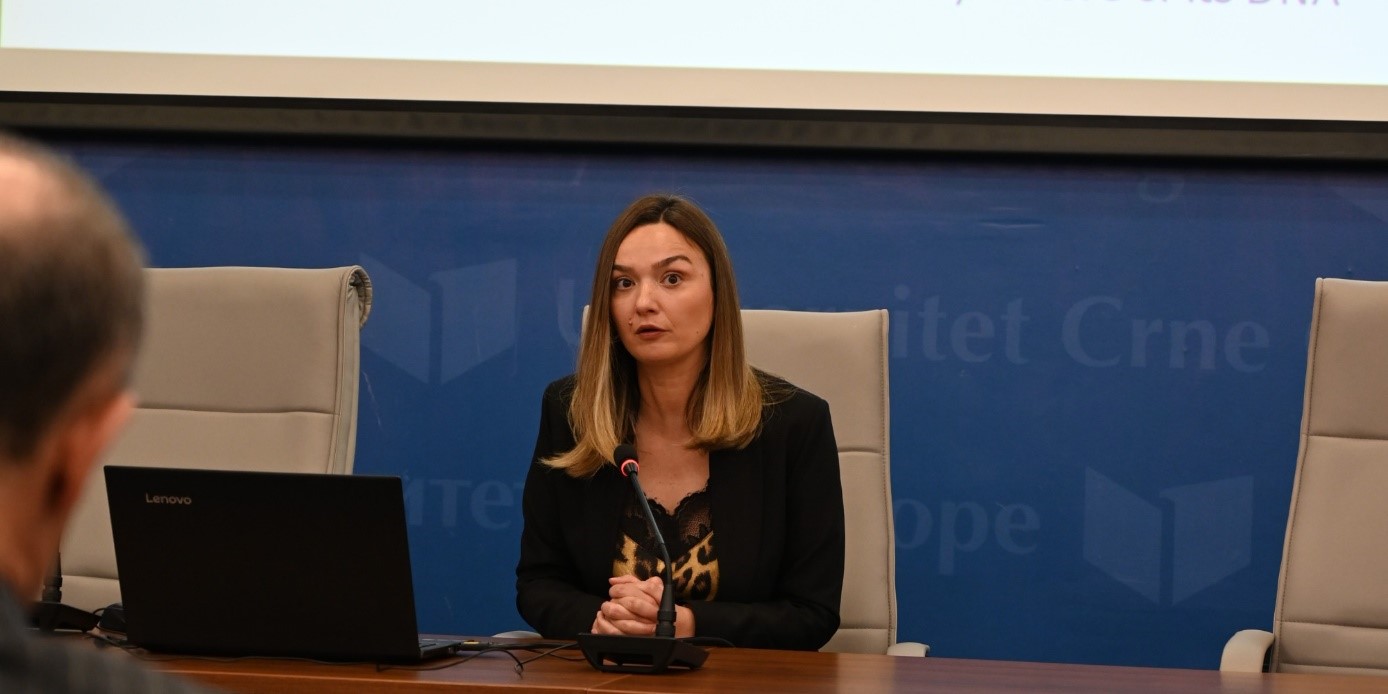
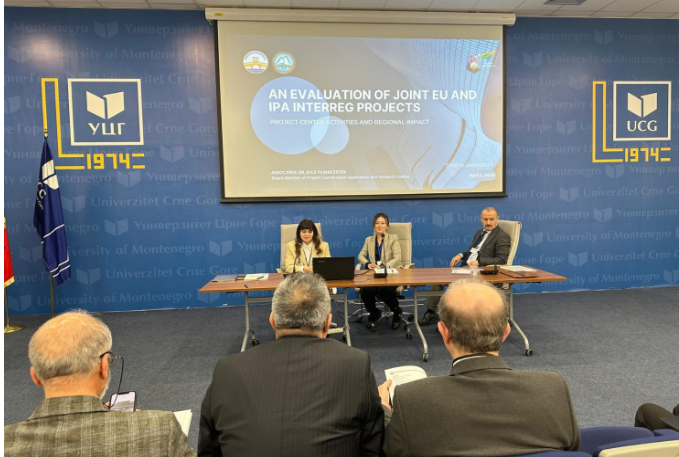
The conference program also featured a panel session moderated by Assoc. Prof. Dr. Şule Yılmaz Erten from the Faculty of Architecture at Trakya University, bringing together distinguished academics to discuss current trends and collaborative opportunities in higher education. In her presentation, Assoc. Prof. Dr. Şule Yılmaz Erten offered a comprehensive evaluation of joint European Union and IPA Interreg projects, emphasizing their critical role in promoting cross-border cooperation, institutional capacity building, and sustainable regional development. She highlighted how such projects contribute to strengthening partnerships among universities while fostering innovation and knowledge exchange across the Balkans.
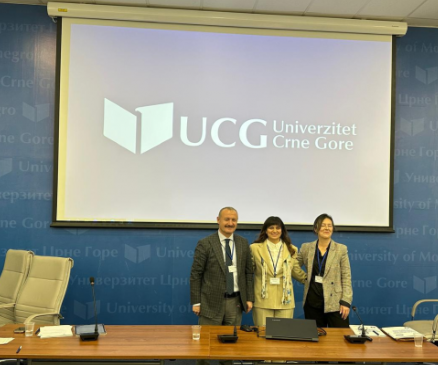
Prof. Dijana Vučković from the University of Montenegro addressed the topic of micro-credentials as an emerging and flexible learning model in higher education. She emphasized their growing significance in responding to rapidly changing labor market demands, supporting lifelong learning, and enabling universities to provide more adaptable and inclusive educational pathways for students and professionals alike.
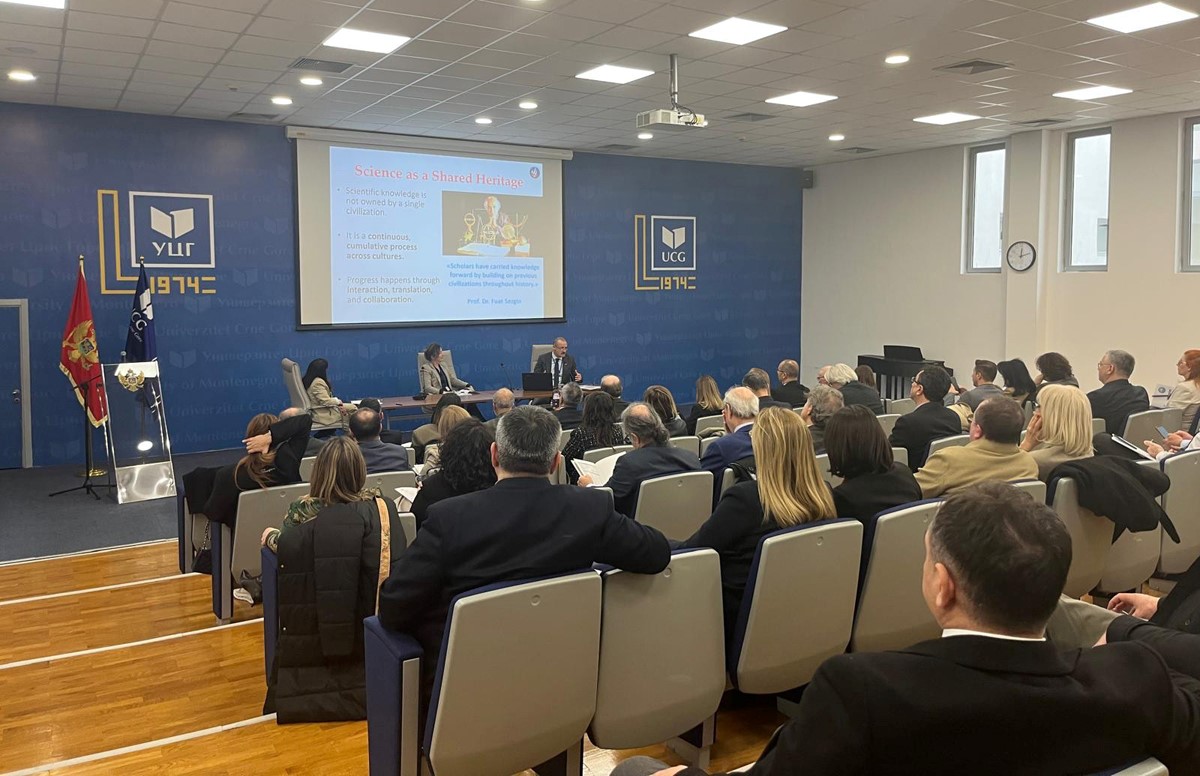
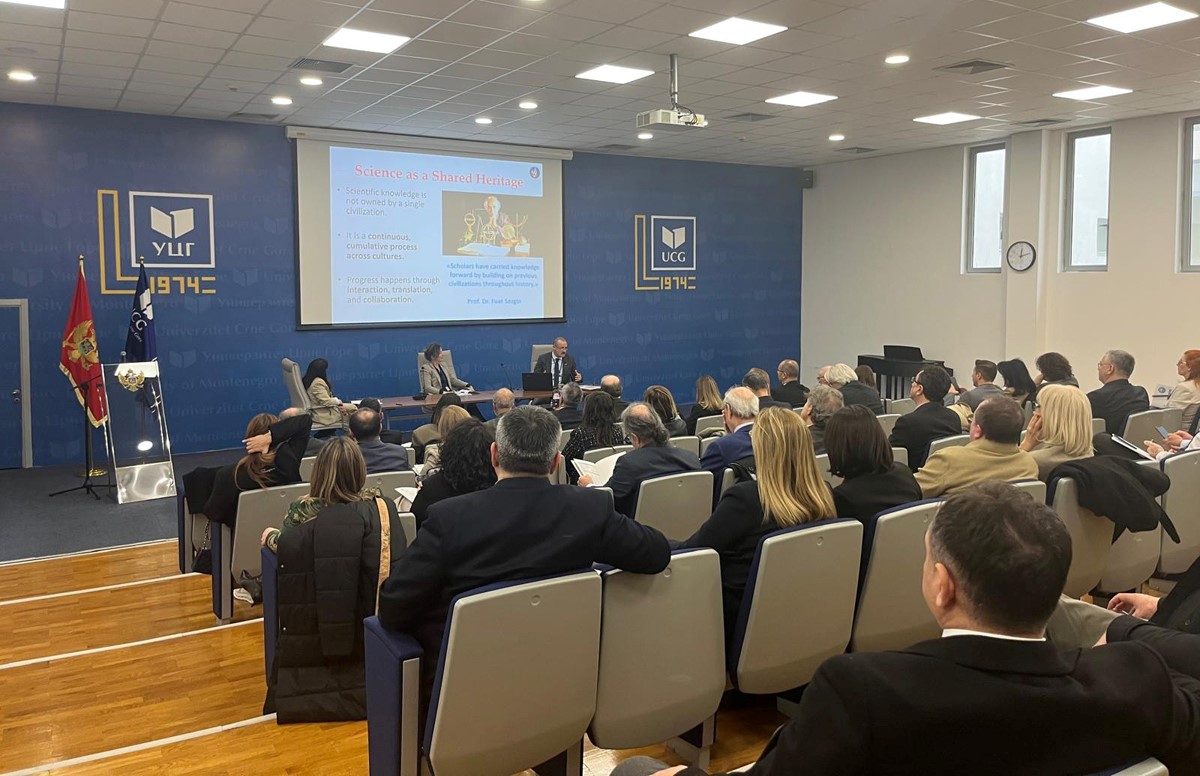
Prof. Dr. Ersan Aslan, Rector of Kırıkkale University (Türkiye), delivered a presentation titled “Bridging Civilizations through Science: Historical Legacy and Contemporary Academic Partnerships.” In his speech, Prof. Dr. Ersan Aslan emphasized that scientific knowledge does not belong to a single geography but has evolved through the contributions of different civilizations throughout history. Referring to the works of Prof. Dr. Fuat Sezgin, he highlighted the continuity of knowledge transfer across cultures and underlined that contemporary academic collaborations—such as joint degree programs and research networks—represent a continuation of this historical legacy. He also stressed the importance of interdisciplinary interaction and international academic partnerships as key drivers of scientific progress.
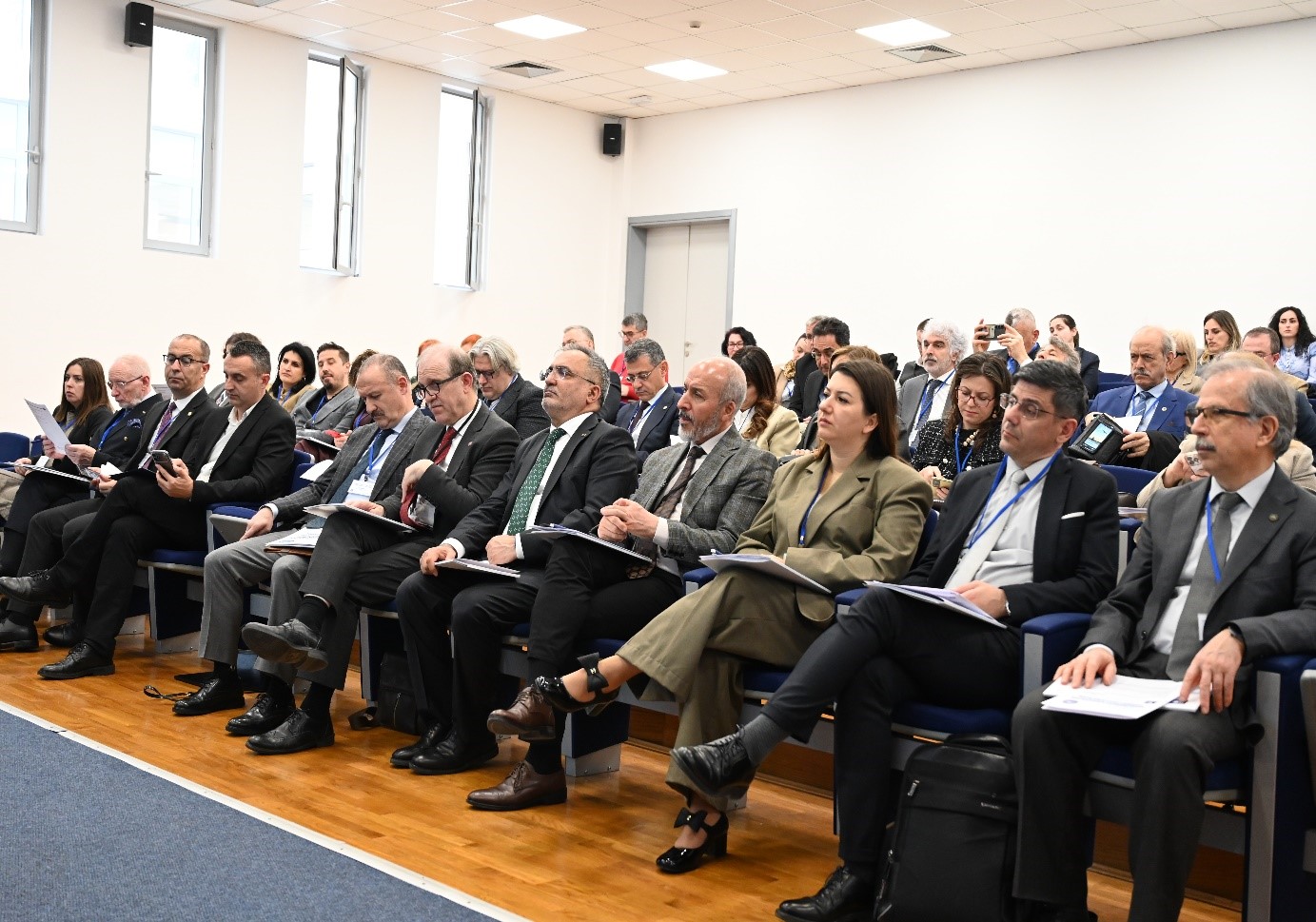
The conference program also included sub-group meetings and discussions on education and collaboration, which provided a platform for more focused and interactive exchanges among participants.Within this framework, dedicated sub-groups were formed around key thematic areas, including Balkan Cultural Heritage and Balkan Studies. Discussions in this group focused on preserving and promoting shared cultural heritage and strengthening collaboration in related academic fields.
The Cultural Heritage sub group brought together representatives of member universities to explore opportunities for academic collaboration, particularly within the framework of European Union programmes such as Erasmus+, Horizon Europe, and Interreg. Participants introduced their institutional capacities and emphasized the importance of interdisciplinary cooperation in preserving and promoting cultural heritage. Discussions focused on developing joint research projects, mobility programmes, summer schools, and academic activities related to cultural heritage, architecture, and urban conservation. Cultural heritage was highlighted as a shared regional value, requiring coordinated efforts among universities.
In parallel, the Balkan Studies sub-group, explored opportunities for advancing regional studies, fostering interdisciplinary research, and enhancing academic cooperation in the field of Balkan studies. Within the Balkan Studies sub-group, discussions focused on developing structured and forward-looking academic initiatives to strengthen regional collaboration. Participants emphasized the importance of establishing digital archives to support the preservation and accessibility of shared academic and cultural resources. The organization of thematic summer schools was also proposed, bringing together interdisciplinary areas such as Balkan Heritage, sports and gastronomy, as well as emerging fields including cybersecurity, artificial intelligence, and AI in education.
It was highlighted that such programs should adopt a multidisciplinary framework by incorporating diverse academic fields, including mechanical engineering, medicine, and sports sciences, thereby fostering broader institutional participation. The experience of the University of Tuzla in organizing similar initiatives was acknowledged, and its potential role as a candidate for hosting future activities in 2027 was noted. Overall, the discussions reflected a shared commitment to advancing innovative, interdisciplinary approaches within the scope of Balkan Studies.
On April 2, 2026, on the occasion of the General Assembly Meeting, the General Assembly of the Balkan Universities Association (BUA) convened in Podgorica, Montenegro.
The General Assembly commenced with opening remarks delivered by Prof. Dr. Mustafa Hatipler, Rector of Trakya University and Secretary General of BUA, who provided a comprehensive overview of the Association’s historical development, institutional growth, and strategic vision.In his address, Rector Hatipler emphasized the foundational role of Trakya University in the establishment of the Association, stating that “established in 2014 under the leadership of Trakya University, the Balkan Universities Association has shown remarkable progress over the years, bringing together universities across the region under a strong network of academic cooperation. Rector Hatipler also stressed the importance of collective academic action, stating that “it is of great importance for our universities to act collectively, develop joint projects, and build a stronger future for younger generations.” He concluded his speech by expressing his expectations that “today’s General Assembly meeting will further strengthen the institutional structure of our Association, pave the way for new collaborations, and make significant contributions toward achieving our shared goals.”
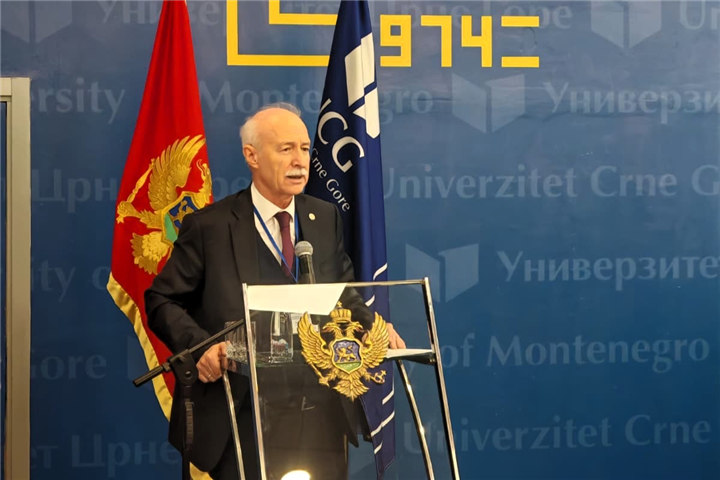
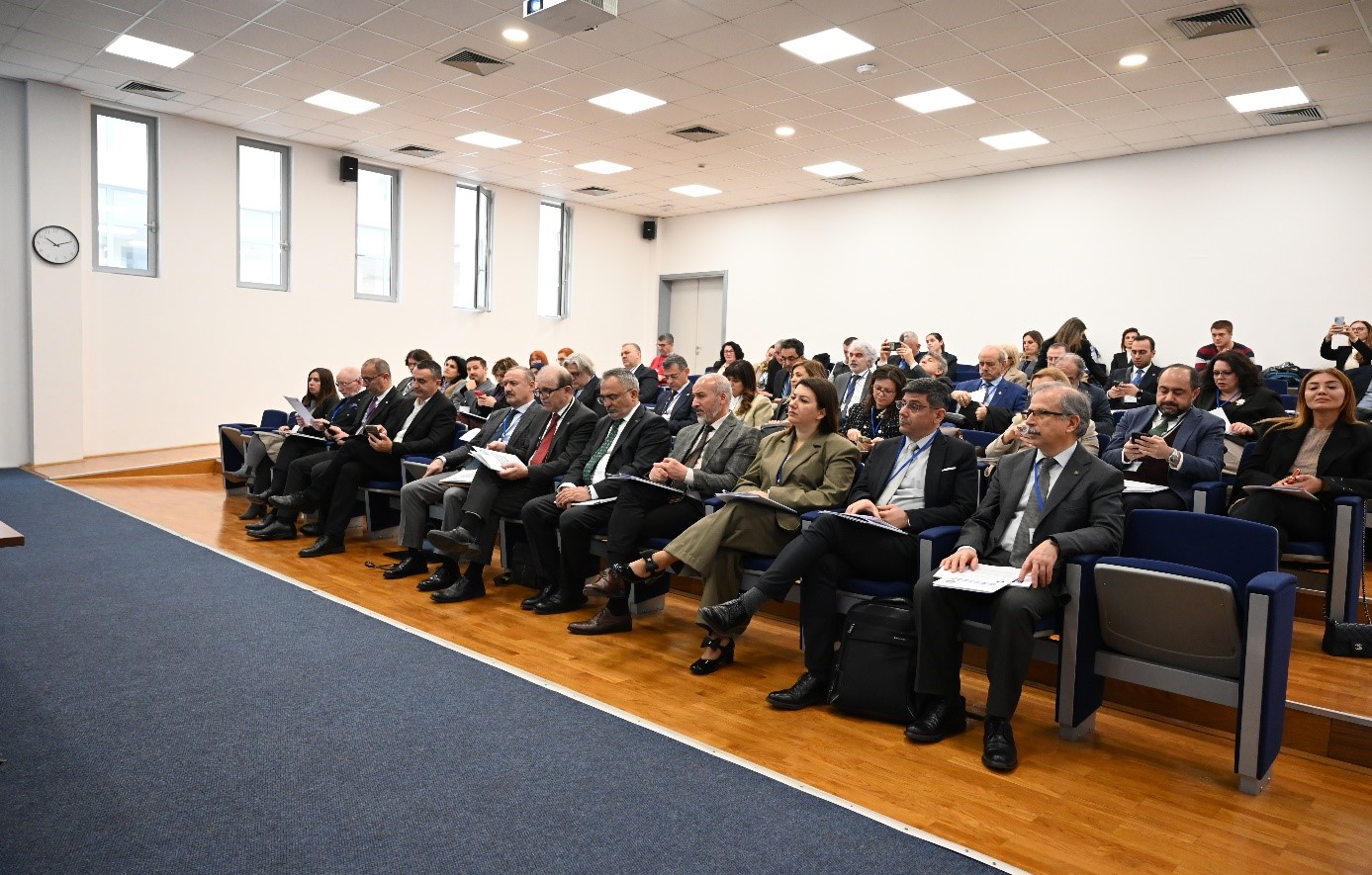
The opening session also included expressions of appreciation to Prof. Dr. Vladimir Božović, Rector of the University of Montenegro, for hosting the meeting, and to Prof. Dr. Veselin Mićanović, Vice-Rector of the University of Montenegro and President of BUA 2025, for his leadership and contributions to advancing academic cooperation in the region. Following the opening remarks, the first session of the General Assembly proceeded under the chairmanship of Prof. Dr. Veselin Mićanović and Prof. Dr. Mustafa Hatipler. The session focused on strengthening institutional ties, promoting collaborative academic initiatives, and expanding opportunities for knowledge exchange and mobility across the Balkan region.
A central component of the meeting was the presentation of candidate universities applying for membership in the Balkan Universities Association. Representatives from eleven universities across Azerbaijan, Bosnia and Herzegovina, Croatia, and Türkiye delivered presentations introducing their institutions, academic capacities, and potential contributions to the Association. These presentations reflected the growing institutional interest in BUA and its increasing significance as a regional academic platform.
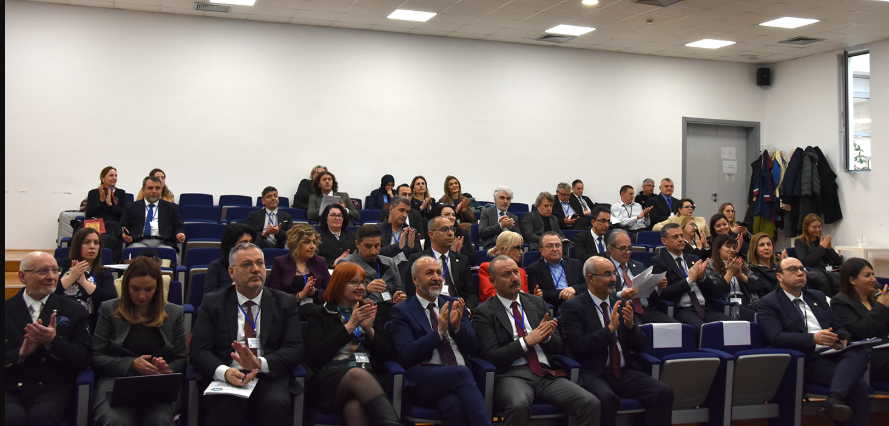
Following the presentations, the General Assembly proceeded with the official voting process in accordance with BUA governance procedures. Each member university exercised its voting rights, and candidate institutions were evaluated individually. As a result of the voting, eleven universities—Baku Slavic University (Azerbaijan), University of Banja Luka (Bosnia and Herzegovina), University of Slavonski Brod (Croatia), University of Algebra Bernays (Croatia), İstanbul Nişantaşı University (Türkiye), Sakarya University (Türkiye), Süleyman Demirel University (Türkiye), Üsküdar University (Türkiye), İstanbul University-Cerrahpaşa (Türkiye), Bursa Uludağ University (Türkiye), and İstanbul Beykent University (Türkiye)—were accepted as new members of the Association, thereby significantly expanding BUA’s academic network and enhancing its regional representation, and bringing the total number of member universities to 112.
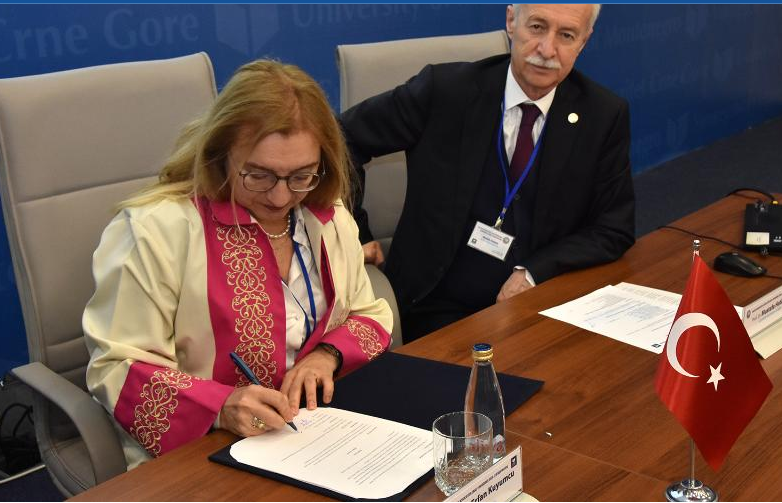
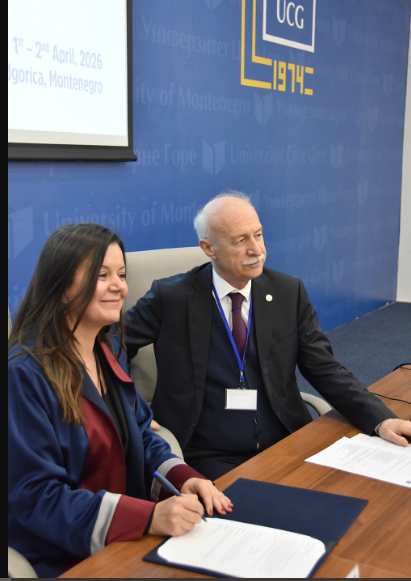
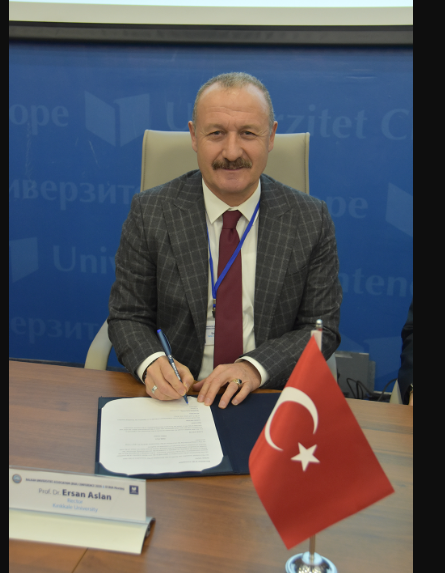
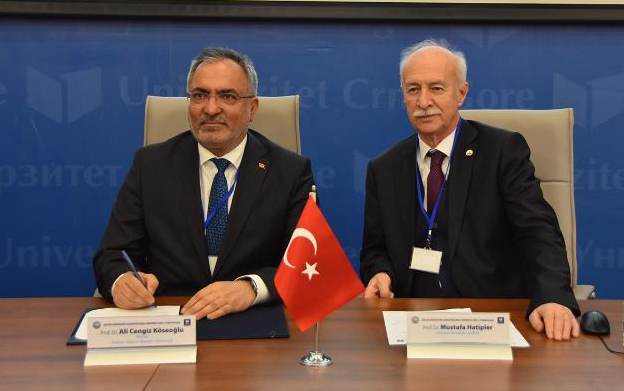
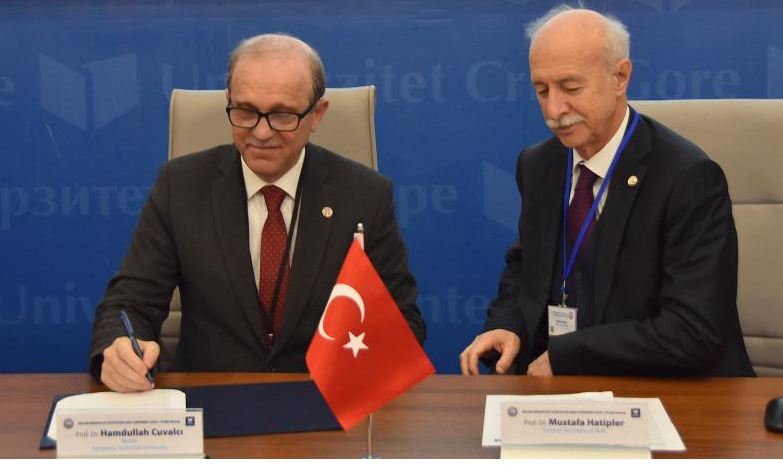
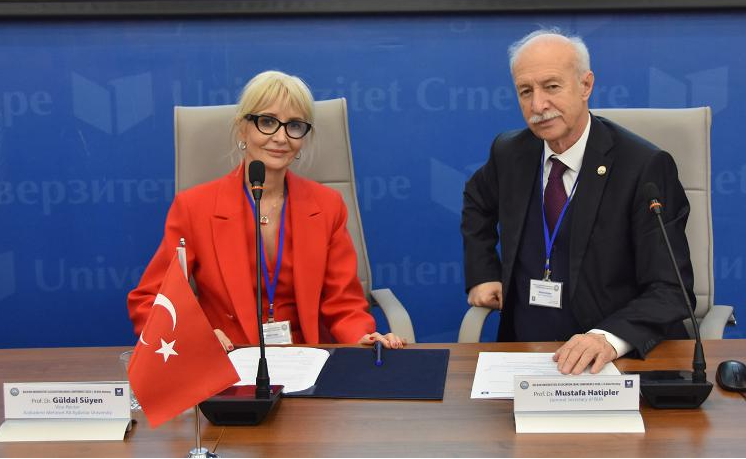
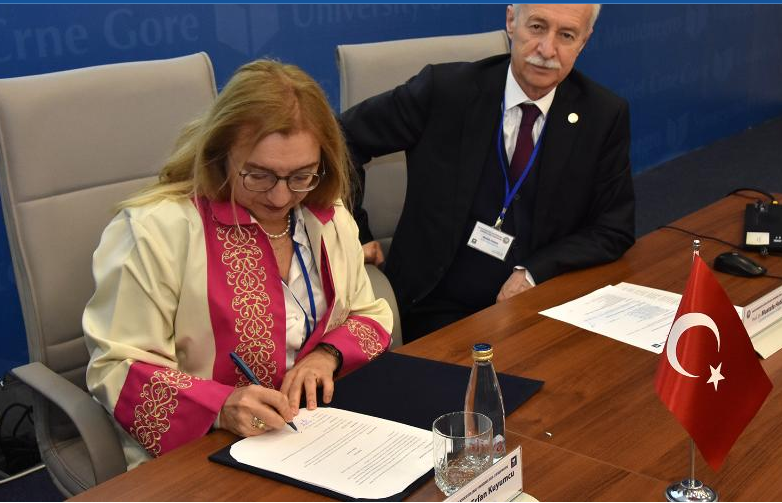
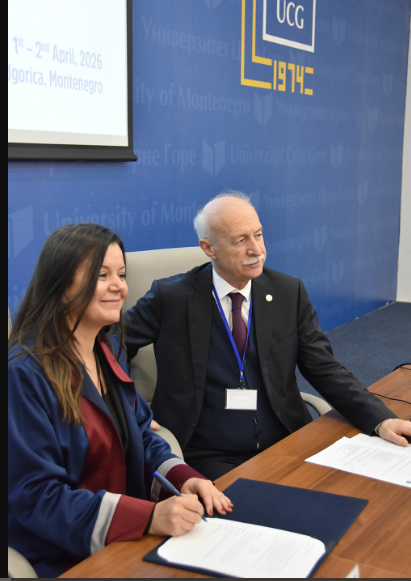
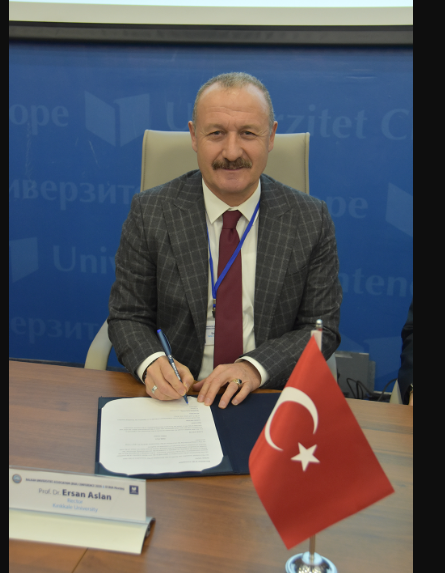
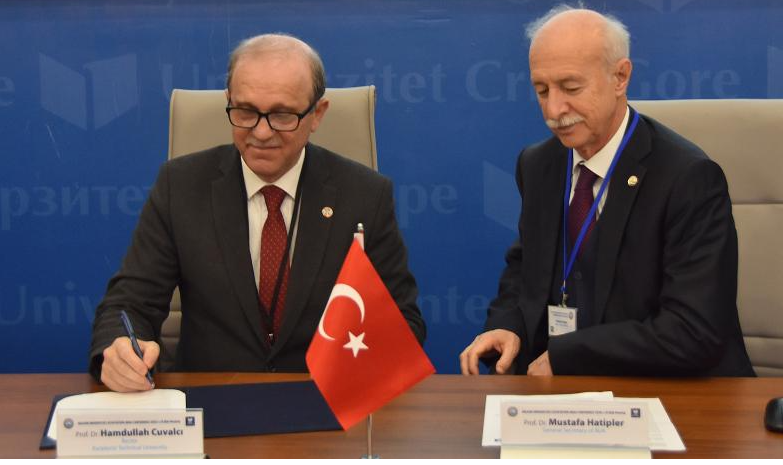
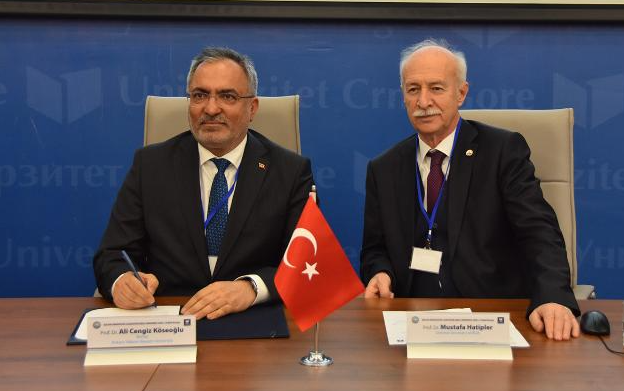
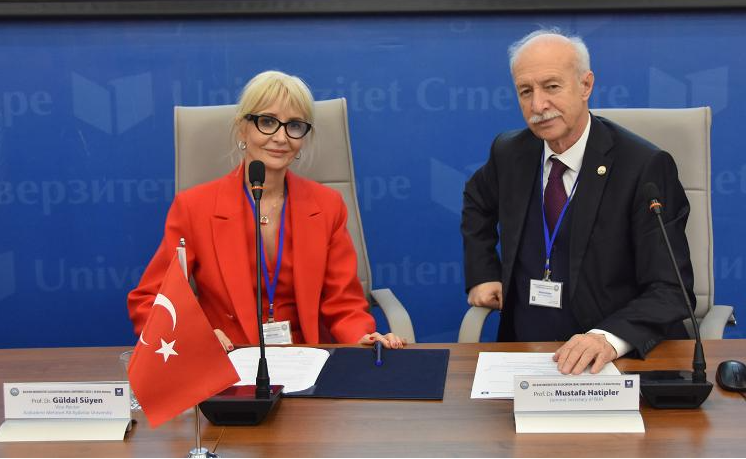
The second session of the General Assembly featured an official signing ceremony for the universities whose memberships had been approved at the 2024 Tirana General Assembly. During the ceremony, representatives of Acıbadem Mehmet Ali Aydınlar University (Türkiye), İstanbul Gedik University (Türkiye), İstanbul Kültür University (Türkiye), Kırıkkale University (Türkiye), Karadeniz Technical University (Türkiye), and Ankara Yıldırım Beyazıt University (Türkiye) were invited to the stage to sign the official accession documents, formally confirming their membership and commitment to the shared mission of the Association.
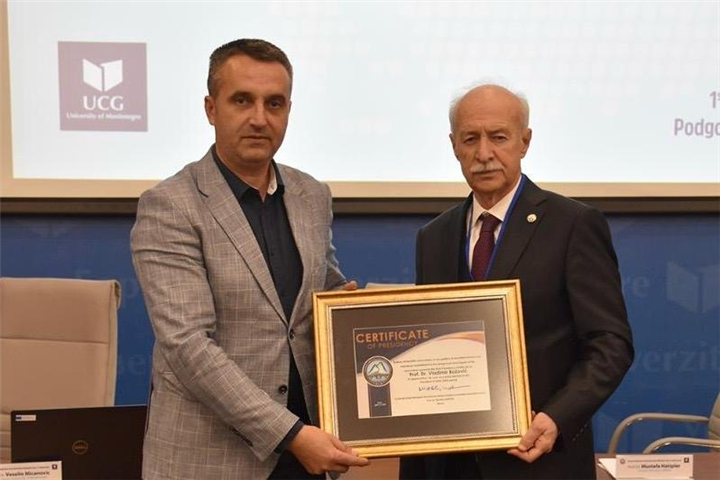
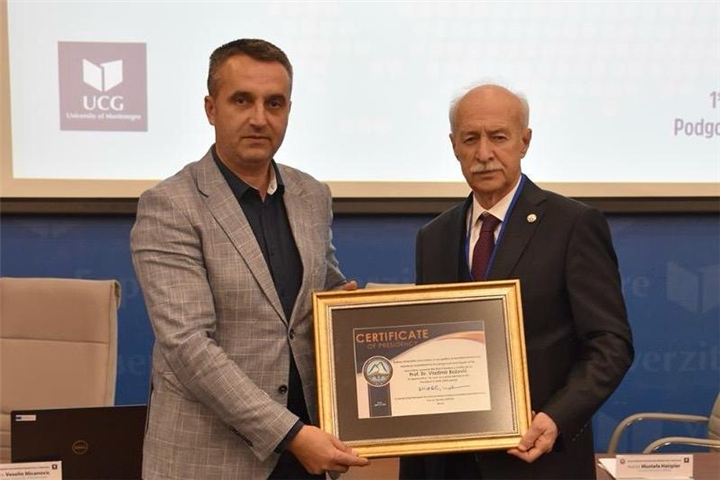
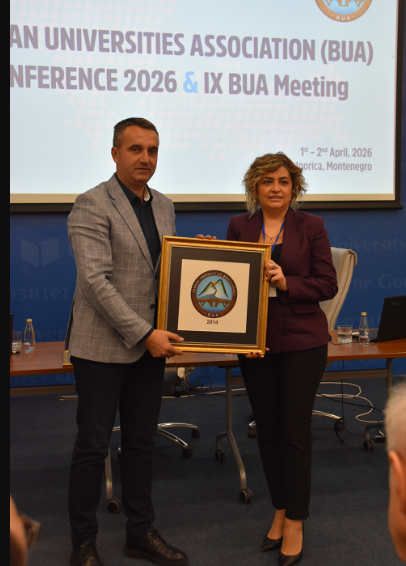
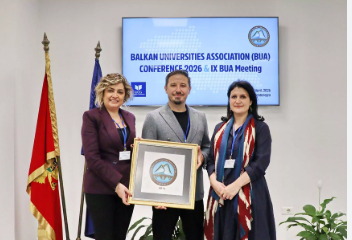
The program continued with the Presidency Certificate Award Ceremony for 2025, during which Prof. Dr. Mustafa Hatipler presented the official certificate to Prof. Dr. Veselin Mićanović in recognition of his leadership and valuable contributions to the Balkan Universities Association.
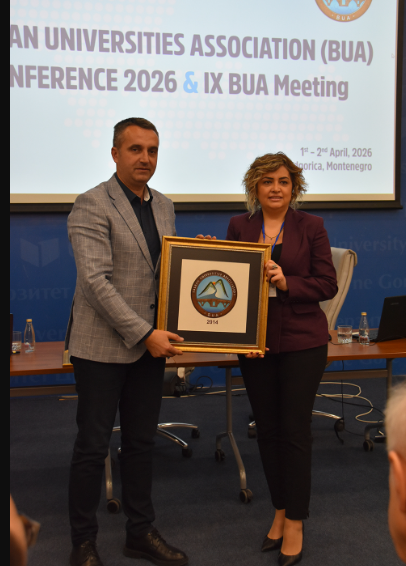
The Assembly was followed by the Presidency Handover Ceremony, during which the symbolic flag of the Association was officially transferred from the University of Montenegro to Assoc. Prof. Dr. Serdan Kervan, Vice-Rector of University of Prizren “Ukshin Hoti”, representing the continuity of leadership and the shared institutional vision of BUA. This ceremonial act highlighted the stability, sustainability, and collective commitment that define the Association.
As part of the forward-looking agenda, Prof. Assoc. Dr. Luan Vardari, Vice-Rector of the University of Prizren and President of BUA for 2026, delivered a speech outlining strategic priorities for the upcoming term. He emphasized the importance of deepening regional cooperation, expanding academic networks, and initiating new collaborative projects that will further strengthen the impact of BUA.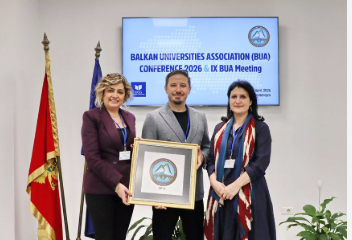
Following the signing ceremony of the newly admitted members, the General Assembly proceeded to the election of the BUA Presidency for the upcoming term. In this context, Trakya University was nominated for the BUA Presidency covering the 2027–2028 period, and this proposal was unanimously accepted by the General Assembly. Following the election, Prof. Dr. Mustafa Hatipler, Rector of Trakya University, expressed his gratitude to the members of the Association for their trust and confidence. He emphasized that they regard this role as a significant responsibility that will contribute to further strengthening academic cooperation within the region.
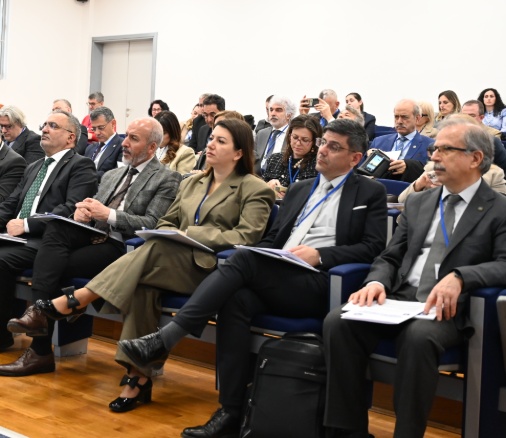
Within the same electoral process, Elbasan University “Aleksandër Xhuvani” (Albania), represented by its Rector Assoc. Prof. Dr. Elvira Fetahu, was elected as the BUA President for 2028, thereby reflecting the Association’s continued commitment to inclusive and region-wide representation in its leadership structure.
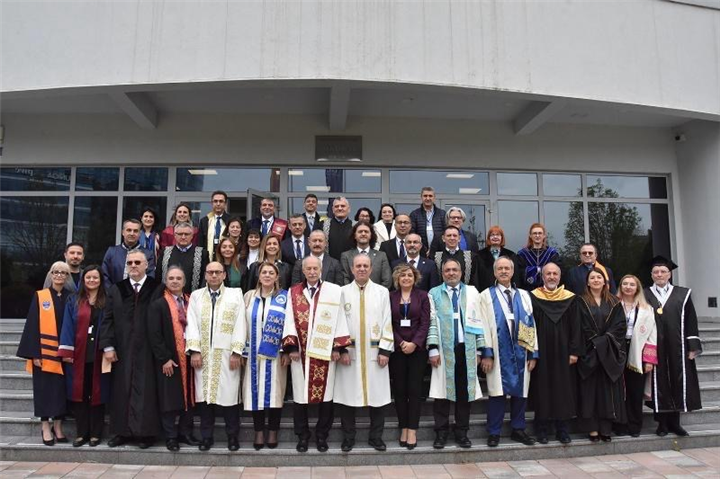
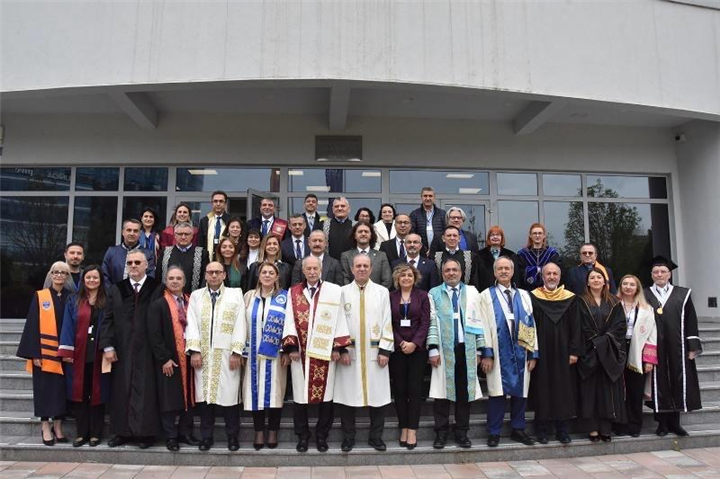
The 9th General Assembly Meeting of the Balkan Universities Association concluded with a commemorative group photograph taken with the participation of all members in academic regalia, symbolizing unity, shared vision, and the strengthening of academic ties across the Balkan region.
Attached Images
Related contents
- 14th General Assembly and Conference of the European Association of Science Editors 8-10 June, 2018, University of Bucharest, Romania
- THE LETTER of TURKISH HIGHER EDUCATION SYSTEM
- UNICA President and Steering Committee elections 2023
- Presentations from the 3rd Meeting of BUA
- Improving Scientific Journal Quality Workshop – I
- BALKAN UNIVERSITIES ASSOCIATION 2023 CONFERENCE

Address : Trakya University Secretariat of Balkan Universities Association 22030 Balkan Campus EDİRNE/ TÜRKİYE
email: baunas@trakya.edu.tr